
Rebuilding Nature

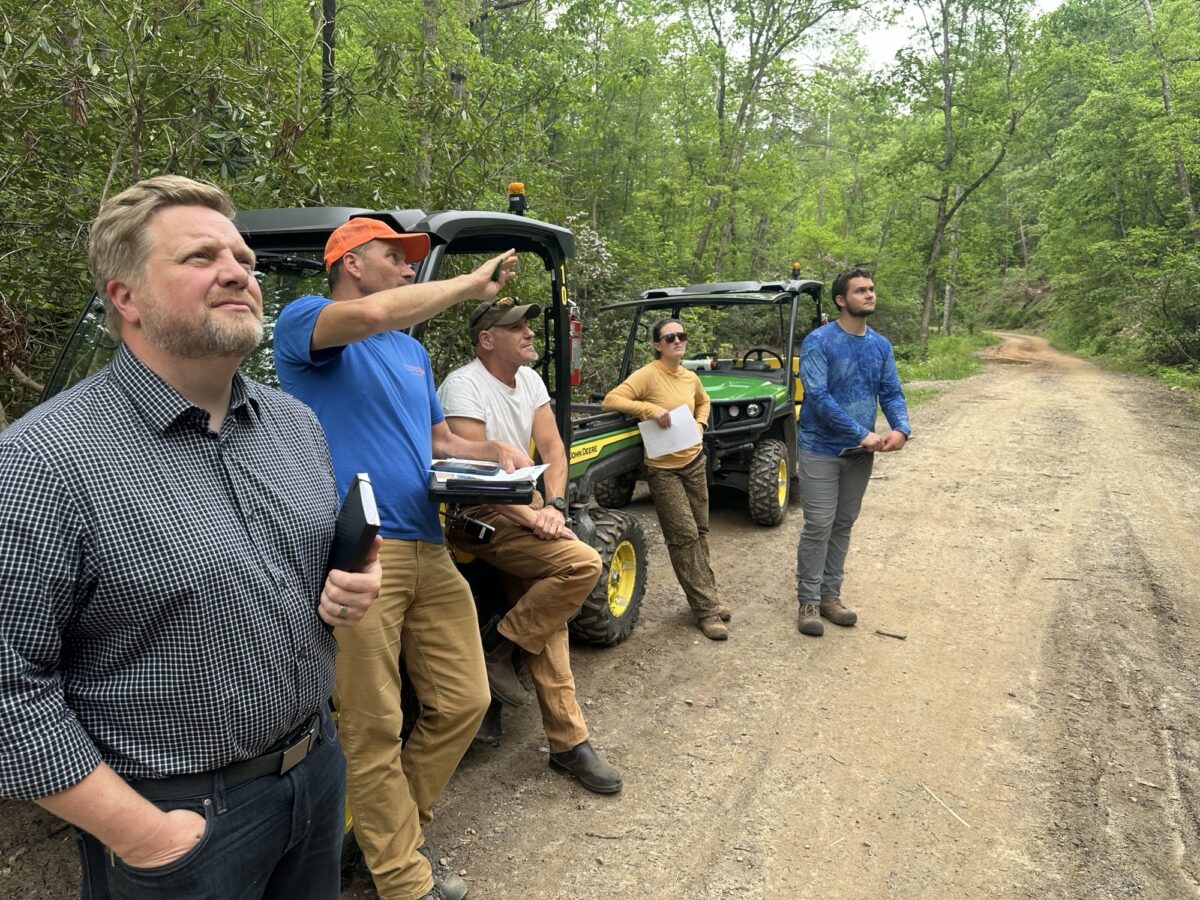
By: Drake Fowler – NC Arboretum Executive Director
As the Executive Director of the North Carolina Arboretum, I have witnessed firsthand the profound impact of Hurricane Helene, which struck in September 2024. The storm brought down over 10,000 trees and caused significant ecological disruption across our beloved 434-acre garden and conservation site nestled within Pisgah National Forest. The extensive damage led to prolonged trail closures and a sharp decline in visitor numbers. However, even in the face of such devastation, we found hope and resilience through collaboration.
In response to the challenges posed by Hurricane Helene, we launched a comprehensive recovery initiative that brought together our dedicated Arboretum staff, federal agencies, academic experts, nonprofit organizations, and, most importantly, EcoForesters. This collaborative approach has been vital in developing a reforestation and site restoration plan aimed at revitalizing the damaged areas of the Arboretum.
Utilizing advanced technologies such as aerial drone footage and NDVI satellite imagery, we identified eight priority zones for restoration. Each zone was thoroughly evaluated for its unique site conditions and ecological significance. The expertise of EcoForesters proved invaluable in this process; their specialized knowledge in sustainable forestry practices and ecological restoration provided us with essential guidance on species selection, management strategies, and restoration techniques tailored to the specific needs of each zone.
Our plan emphasizes the selection of native species, sustainable landscape design, and community involvement. We believe that the restoration process should not only heal the land but also engage the public in ecological stewardship. The collaborative nature of this initiative has been a cornerstone of our success. We hope to bring the final plan to the public on Arbor Day 2026, along with workshops and talks that further define aspects of the plan.
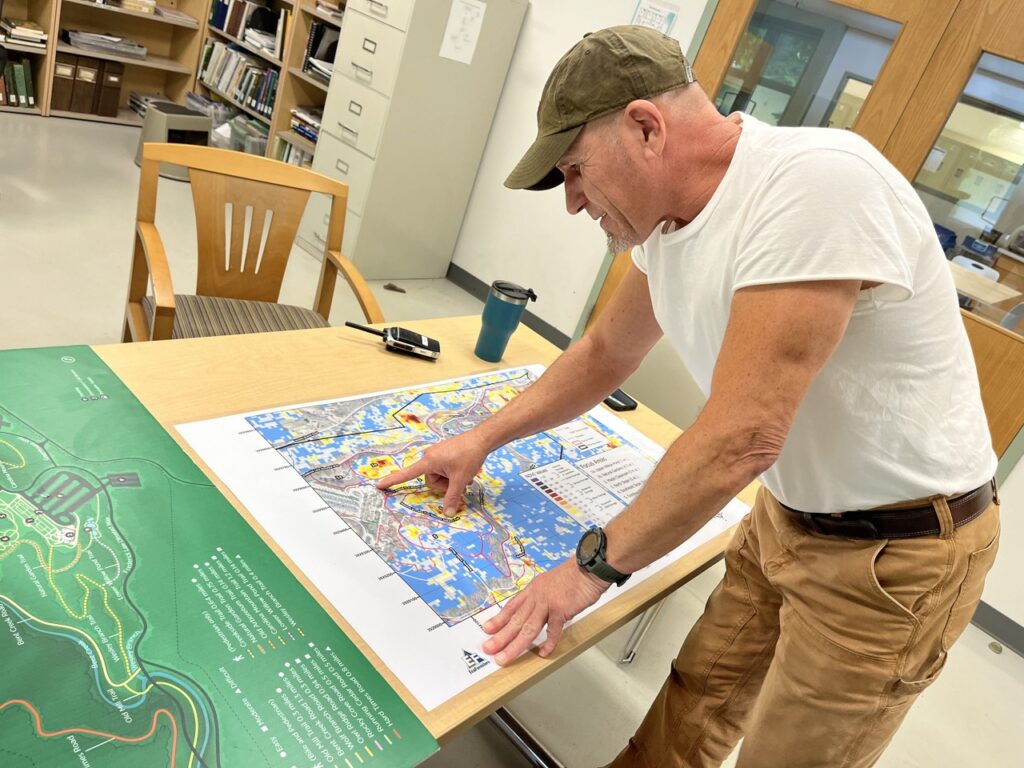
The journey began with a kickoff meeting in January 2025, where we gathered to discuss our initial steps for recovery. With drone footage revealing the extent of the damage and satellite maps illustrating the landscape before and after the hurricane, we set out to create a comprehensive forest restoration plan. This plan will consider ecological factors, aesthetics, and educational opportunities, all of which are integral to our mission.
As we progressed, it became clear that each impacted area required tailored goals. For instance, while the entrance area of the Arboretum focused on aesthetics, other zones prioritized ecological restoration and biodiversity. EcoForesters played a significant role in this adaptive decision-making process, providing insights on how different tree species would thrive in specific conditions and effective strategies for managing invasive species. These goals will guide EcoForesters as they compose the final forestry plan.
This case study serves as a model for storm recovery and ecological restoration in public green spaces across the Southeastern U.S. The collaborative spirit we’ve fostered demonstrates the power of community engagement in ecological restoration. With ongoing monitoring and additional projects on the horizon, the North Carolina Arboretum is poised to emerge stronger and more resilient than ever.
As we look to the future, we remain steadfast in our mission to connect people with plants, foster environmental education, and promote sustainable development. Our partnership with EcoForesters exemplifies the importance of expert knowledge in nurturing the land back to health. Together, we are not just restoring our Arboretum; we are setting a standard for resilience and ecological stewardship that will benefit generations to come.