Building Community Resilience

There is no doubt that Helene was destructive to our region and disruptive to our lives. Yet, in the weeks following the storm, it also called forth an incredible sense of community, spurring our drive to help those in need. Residents outside of WNC poured in to help in relief and recovery efforts, giving us hope that not all was lost. Neighbors banded together to share resources and care for one another, leaning on those nearby to get through the worst of times.
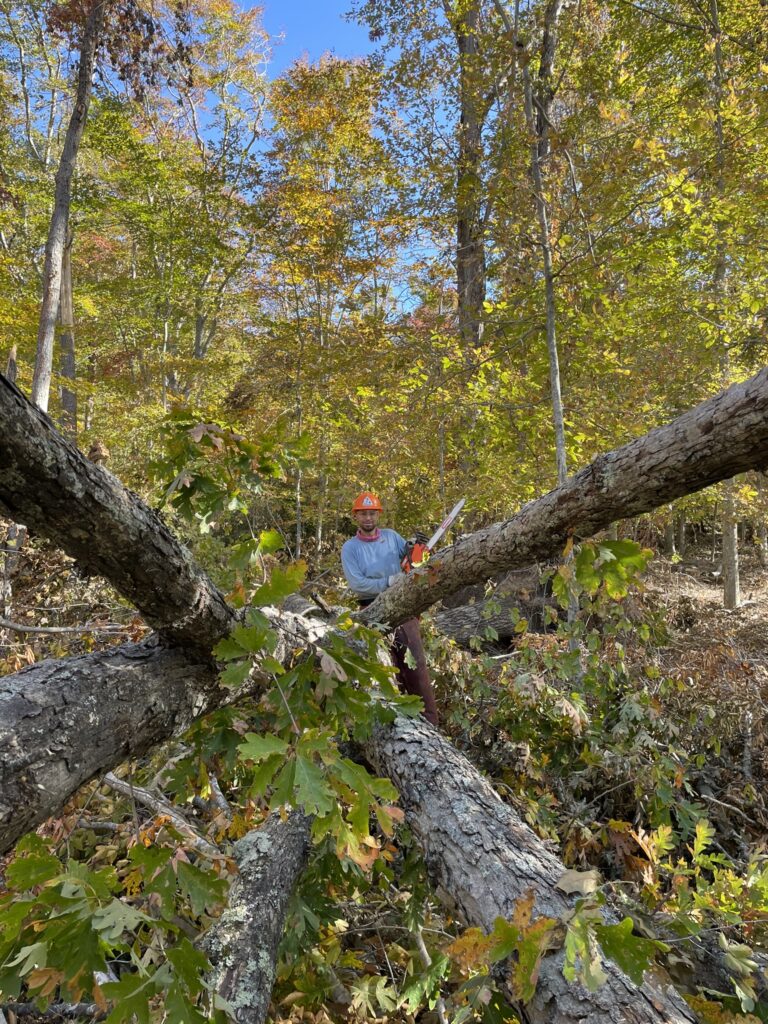
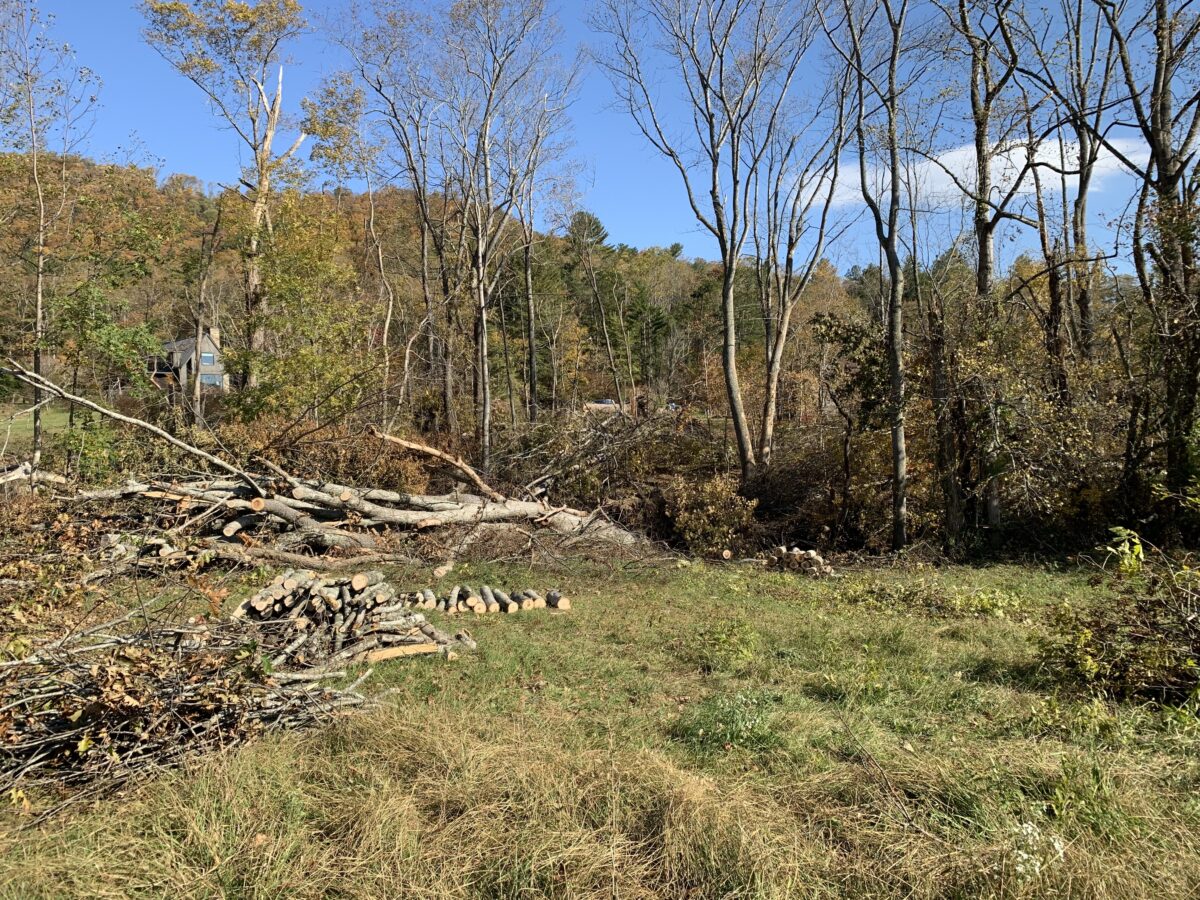
The residents of Bull Creek Valley are a model example of these community bonds. Located in East Buncombe County, this area was one of the hardest hit in the storm, with thousands of acres of forests decimated and access to the community washed out. With no ability to reach outside help, neighbors came together to respond to the storm. In just two days, they had set up a community kitchen and a medical triage team in a neighbor’s barn and had organized regular safety checks. They were even meeting daily for potluck lunches, sharing experiences and consolation. Dr. Laura Lengnick, a member of the Bull Creek Valley neighborhood, stated in an interview with the Practicing Gospel podcast, “We didn’t have a plan, we didn’t know what we were doing, so we were inventing along the way. We had a lot of really talented people bringing lots of different skills, and we figured it out.” By leveraging the strengths of each member, they had formed their own disaster response team, weathering the storm’s aftermath together.
As the members of Bull Creek Valley settled into this new reality, they began the process of better understanding what their neighborhood and individuals needed. To do this, they conducted a survey, coming away with four priorities: clean up, debris removal and use, non-native invasive plant removal, and wildfire preparation. By collaborating with local organizations, the neighborhood conducted multiple “Learning in Community” sessions, teaching residents how to address these issues with their own abilities. In Bull Creek and beyond, Helene had called attention to persistent forestry issues that were worsened by storm damage. Non-native invasive species, in particular, were prepared to take advantage of new light in disturbed areas, and the Bull Creek members had identified NNIS control as a major concern. In May, EcoForesters participated in their invasives-focused community learning session, giving participants a hands-on demonstration of proper treatment techniques and equipping them with the skills needed for continued restoration work.
One year after the storm, Bull Creek Valley residents are still regularly coming together–even forming new initiatives like a community garden. Though the neighborhood’s organization after Helene was inspiring, Dr. Lengnick poses the question–”If we’d had a plan, how much easier [would all of this] have been?” To build resilience within our communities, we must maintain these neighborhood bonds and be proactive in our disaster response. Creating a plan for future weather events, forming an NNIS control (or natural resource) committee to organize work days, and finding ways to continue meeting–all of these actions will strengthen our responses to future events, and the WNC community as a whole.