Adaptation After Helene

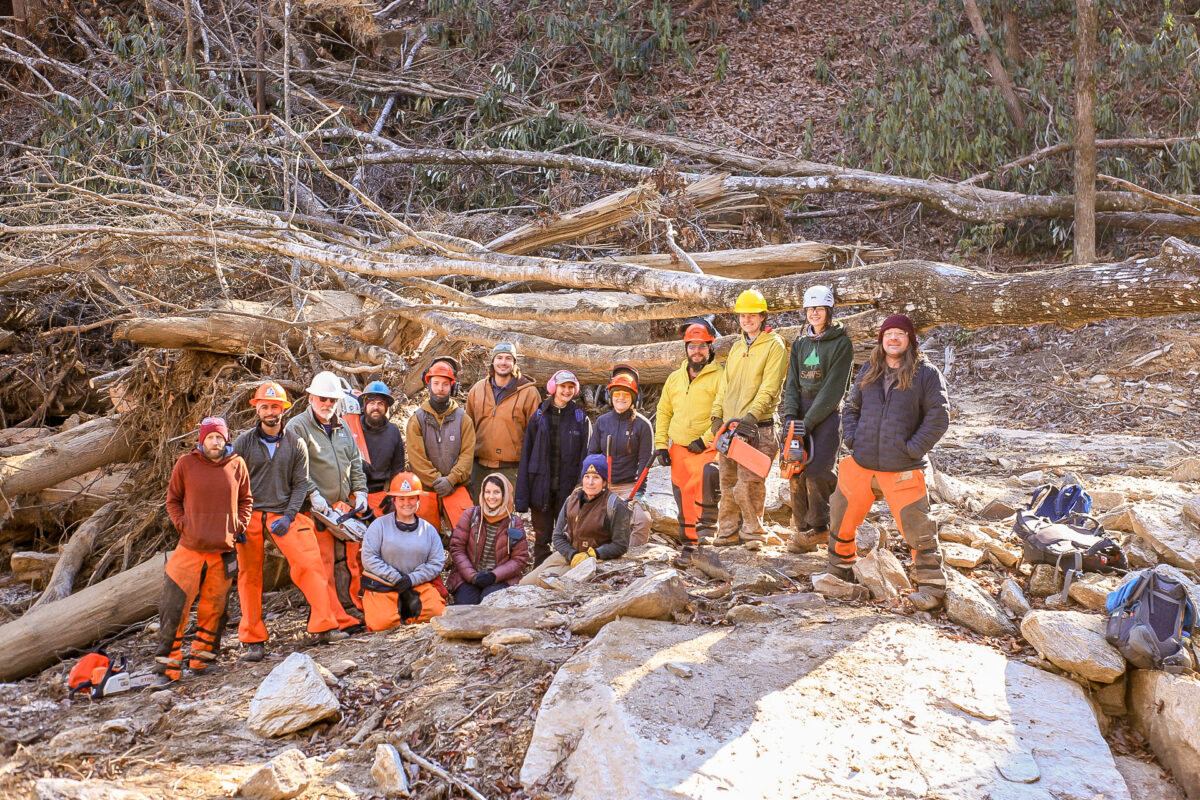
We have all learned a great deal about surviving and adapting. Going without running water for 30+ days made everyone stop and consider basic needs that had been taken for granted. As people were accounted for and safety assured, we began to adapt to the new normal for our careers and the natural environment. Since the storm, there continues to be a greater awareness and concern for forests and streams. There wasn’t necessarily a lack of awareness prior to Helene–but like other basic needs, we often take our natural resources for granted, thinking little about what it takes to maintain them. A year in, we have learned much in our continued search for solutions.
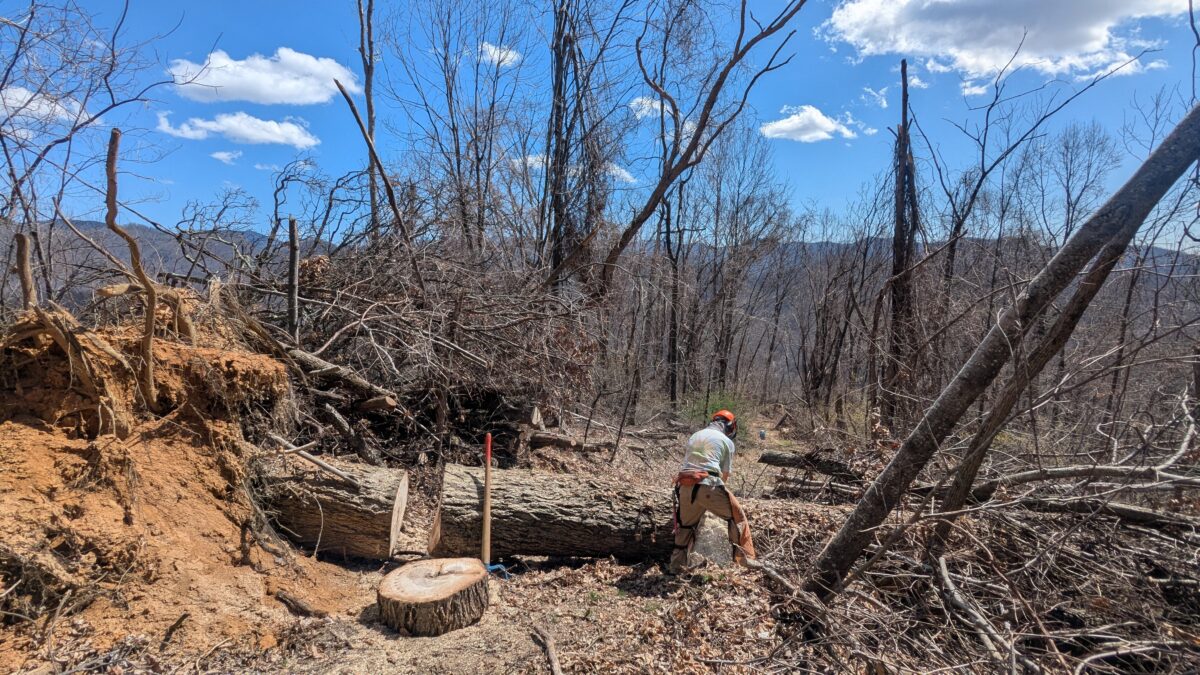
The amount of trees on the ground is astonishing. Daily commutes reveal the challenges facing landowners with downed trees in hard-to-access areas. This past spring put lipstick on the pig of jumbled timber, but leaf off will reveal what we already know: there is an unusual amount of timber on the ground that will impact forestry decisions for the next decade. So, what should we do about it?
ACCESS
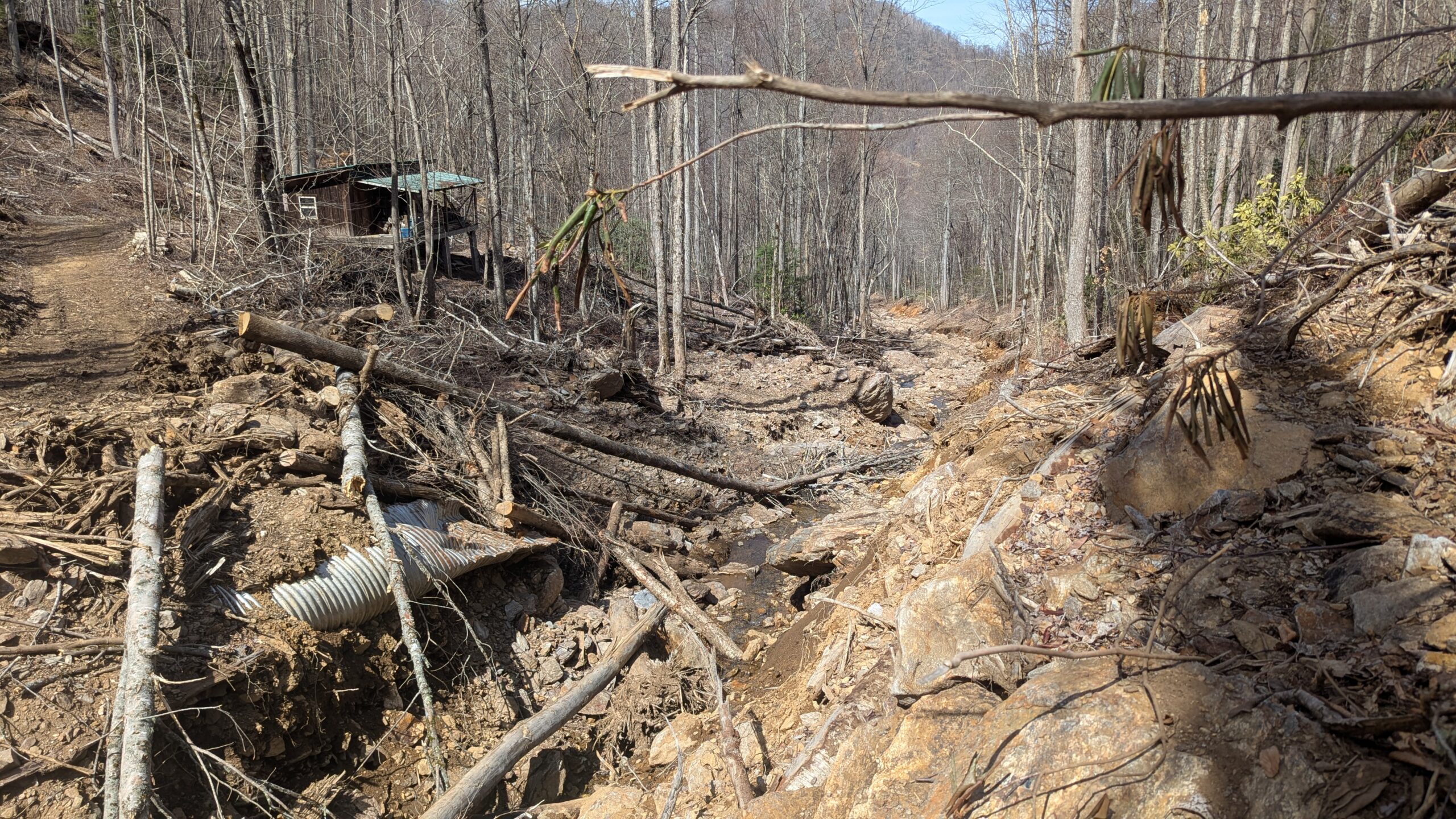
You cannot assess damage or work in an area that you can’t get to. This includes old logging roads and trails that are normal vectors for non-native invasive species. Opening these areas will improve fire breaks and allow professionals to properly care for disturbed areas. Though thousands of acres will simply let nature heal over time, consideration should be given to the amount of fuel on the ground and the impacts on regeneration.
INVASIVES RESPONSE
New plants and trees will quickly take over this new growing space. Those best adapted for growing quickly will win, unless we play favorites. Invasive plants and trees provide little benefit for wildlife and can quickly reduce biodiversity. Many will need to be tolerated as there is just too much. However, we can focus on those most dangerous to forests, like Bittersweet, which can strangle and topple trees. If you have trees down, being aware of what else is there puts you on the proper path.
REGENERATION
What comes back? After the demise of the American Chestnut (25% of the canopy), species that were well represented took advantage of the new space. Similarly, what comes back now will depend on what is there now. Planning is needed to account for the difficulties regenerating oaks and the impact of having thousands of downed trees in productive forests. In areas of extreme disturbance and landslides, getting new plants established is paramount.
Each season will provide more data on future forest health. Our goal is to continue our assessment of the region’s forests and adapt to improve forest resilience. We anticipate the recovery of our forests from Helene to define the next ten years of EcoForesters’ work. Education is a core value of our mission, so sharing our findings with the public will continue. Please reach out to us if we can help you plan and adapt for your future forest.
UPCOMING FUNDING: NC DISASTER BLOCK GRANT FOR HELENE TIMBER LOSSES
A new program is being developed by the NC Forest Service that will help private landowners who experienced timber losses from Helene. Forest owners who had more than 25% of merchantable trees (defined as >12″ in diameter) damaged on at least 10 acres can receive partial compensation for lost timber value. In order to get funds approved, a forester must assess the property. More details about this program, including which landowners qualify, should be released by the end of the year. EcoForesters will continue to update landowners as more information becomes available.